How do you fix a sagging door?
Tighten the top hinge screws first -- this fixes most sagging doors in under five minutes. If the screws are stripped, drive a 3-inch screw through the top hinge into the wall stud behind the jamb. Below is a full breakdown of why doors sag, how to diagnose the cause, when shimming works, when to fill stripped holes, and when you need to replace the hinge entirely. Most repairs cost nothing and take under 30 minutes, according to The Spruce and Family Handyman.
Why does my door sag?
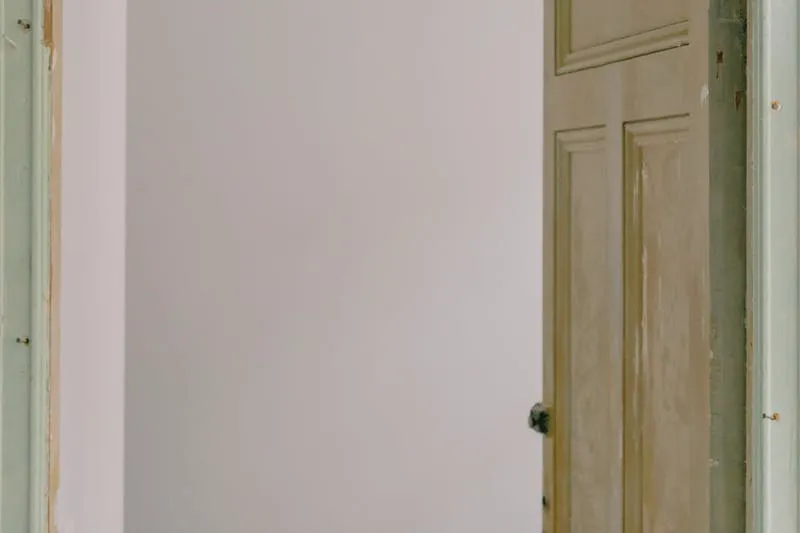
Doors sag because the top hinge loosens over time. Every time you open the door, gravity pulls the free end downward, and that force concentrates on the top hinge screws, according to The Spruce. As the screws loosen or strip out of the wood, the top corner of the door drops and the bottom corner on the latch side drags against the frame or floor.
A standard hollow-core interior door weighs roughly 25 to 30 pounds, while a solid-core or exterior door can weigh 50 pounds or more, as noted by Family Handyman. Heavier doors strip hinge screws faster, especially when children hang or swing on the door.
Other causes include stripped screw holes where the wood fibers can no longer grip the threads, house settling that pushes the door frame out of square (Bob Vila), paint or stain that seeped under the hinge leaves and acts as a spacer (The Spruce), and worn hinge knuckles where the barrel has developed play after years of use.
How do you tighten a sagging door hinge?
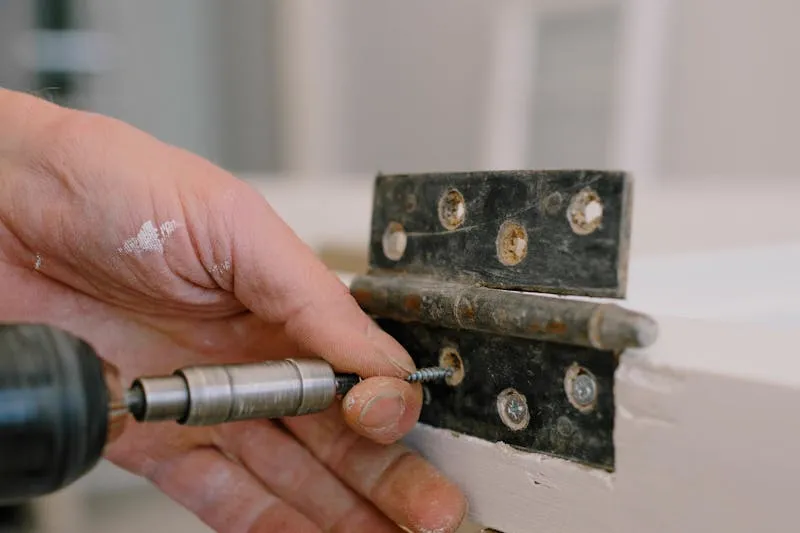
Open the door and tighten all screws on the top hinge -- both the door-side plate and the frame-side plate -- using a screwdriver, not a drill, to avoid stripping the holes. According to Family Handyman, this single step resolves most sagging door problems because the sag typically starts with a screw that loosened gradually over months of daily use. Mr. Handyman confirms this is also the recommended first step before trying any other repair method.
Check the middle and bottom hinges as well, since a loose screw on any hinge contributes to misalignment. The top hinge carries the most load and is almost always where the problem begins, but ignoring loose screws on the other hinges can cause the door to develop new alignment issues after the top hinge is fixed.
How does a 3-inch screw fix a sagging door?
A 3-inch screw passes through the door jamb and bites into the wall stud behind it, providing far more holding power than the standard 1-inch hinge screw, according to Plastpro. This pulls the hinge and the entire door frame tighter against the structural framing, correcting the sag at its source.
Remove a screw near the middle of the top hinge on the frame side, as recommended by Family Handyman. Drive the 3-inch screw with a drill until it sits snug against the hinge, then give it a final quarter-turn with a screwdriver. This Old House and The Spruce both confirm this technique. Use only one 3-inch screw per hinge -- installing more risks pulling the frame out of alignment and opening gaps at the trim joints.

What if the hinge screw holes are stripped?
Pack the stripped holes with fresh wood so the screw threads have material to grip again. Two methods work reliably:
The toothpick method, recommended by Mr. Handyman: remove the screw, coat two or three wooden toothpicks in wood glue, pack them into the hole, and snap them off flush with the surface. Let the glue dry for at least one hour, then re-drive the original screw. The toothpicks give the threads fresh wood to bite into.
The wood dowel method, described by This Old House: drill out the stripped hole with a 3/8-inch bit, apply carpenter's glue to a 3/8-inch dowel, tap it in flush, and let it dry. Then drill a 1/8-inch pilot hole in the center and drive the screw. This creates a solid wood plug that holds better than toothpicks, particularly on heavy exterior doors where the screw carries more weight.
Can you fix a sagging door with a shim?
Yes. If the hinge mortise -- the rectangular recess routed into the jamb -- is too deep, the hinge sits below the surface and pulls the door toward the hinge side, causing the opposite corner to sag. Cut a piece of thin cardboard to match the shape of the hinge leaf, place it behind the hinge plate inside the mortise, and re-drive the screws, as described by The Spruce.
A single layer of cardboard provides about 1/16 inch of correction, which is enough for most minor sags. Stack two layers for more severe cases. Place the shim behind the top hinge to lift the latch side of the door. If the door binds at the top of the latch side instead, shim the bottom hinge -- this pushes the bottom of the door toward the hinge side and opens the gap at the top.
Shimming corrects a mortise depth problem, not a loose screw problem. If the screws are also stripped, shim the mortise first and then drive a 3-inch screw for a permanent fix.
Does paint buildup cause doors to sag?
Yes. Paint or stain that accumulated under the hinge leaves over multiple coats acts as a spacer, pushing the hinge away from the jamb and throwing the door out of alignment, according to The Spruce. Remove the top hinge and use a sharp wood chisel or 5-in-1 tool to scrape away the paint from the mortise, bringing the surface back to bare wood. If the hinge itself is painted over, This Old House recommends cutting around the hinge leaf with a utility knife before removing it to avoid tearing the surrounding paint.
This fix often works in combination with tightening the screws -- paint buildup loosens the fit gradually, and the loose screws become the symptom rather than the root cause.
Recommended: Everbilt 3-inch wood screws, 12-pack -- the right length and gauge for anchoring a hinge into the wall stud behind the jamb.
When should you replace the hinges instead of repairing them?
Replace the hinge when the knuckle has visible play or wobble even with the pin fully seated, as noted by Lowe's. Other replacement signals include bent or warped hinge leaves from repeated stress, pin surfaces showing pitting from corrosion that prevents smooth rotation, and more than two of the six screw holes on a single hinge being stripped.
Match the replacement hinge to the original size. Standard interior doors (1-3/8 inches thick) use 3.5-inch butt hinges, while heavier exterior doors (1-3/4 inches thick) typically require 4-inch hinges, according to DK Hardware's hinge sizing guide. If the hinges on your sagging door are also making noise when you open the door, apply lubricant to the pin while you have the hinge apart -- it saves a second repair later.
How do you know if the door frame is the problem?
If the gap between the door and frame varies by more than a quarter inch from top to bottom after you have tried all the hinge fixes above, the frame itself is likely out of square, according to Bob Vila. Foundation settling or structural movement can push an entire frame out of alignment over the years, and this is not something hinge adjustments alone can correct.
Look for cracks in the walls or floors near the door, as Mr. Handyman recommends. These are signs of foundation movement. A carpenter or general contractor can assess whether the frame needs to be rehung or whether the underlying structure requires attention. For warped solid wood exterior doors that need planing, the door-to-jamb gap should remain about 1/8 inch -- roughly the thickness of a nickel, according to Bob Vila.
How do you prevent a door from sagging again?
Check hinge screws once a year and tighten any that have loosened. For exterior and bathroom doors, apply a coat of sealant or paint to all six sides of the door, including the top and bottom edges, to limit moisture absorption and reduce the risk of warping. Doors tend to swell and stick in summer when humidity is high and shrink in winter when air is drier, according to Bob Vila and Lowe's. Controlling indoor humidity with ventilation or a dehumidifier helps keep door hardware stable year-round.
Get our door hardware maintenance checklist -- a printable guide to keeping every hinge, latch, and strike plate in your home quiet and working smoothly.
Sources
- "How to Fix a Sagging Door." The Spruce. Updated December 11, 2025.
- "How to Fix Sagging or Sticking Doors." Family Handyman. Updated July 27, 2023.
- "How to Fix Loose Door Hinges with Stripped Screws." This Old House. Updated May 17, 2025.
- "How to Fix a Sticking Door." Bob Vila. Updated October 7, 2020.
- "How to Fix a Sagging Door in 4 Easy Steps." Mr. Handyman.
- "Most Common Door Problems and How to Fix Them." Lowe's. Updated June 28, 2024.
- "A Complete Hinge Size Guide." DK Hardware.
- "How to Fix a Sagging Door: Step-by-Step Guide." Plastpro.