How do you remove a door hinge pin?
Place a nail under the pin at the bottom of the hinge barrel and tap upward with a hammer. Once the pin head rises above the top of the knuckle, pull it out by hand. The whole job takes about 30 seconds per hinge. Below is everything you need to know -- the right tool for the job, the order to work in, how to deal with stuck or painted-over pins, and how to handle security hinges that don't want to give up their pins.
What tools do you need to remove a hinge pin?
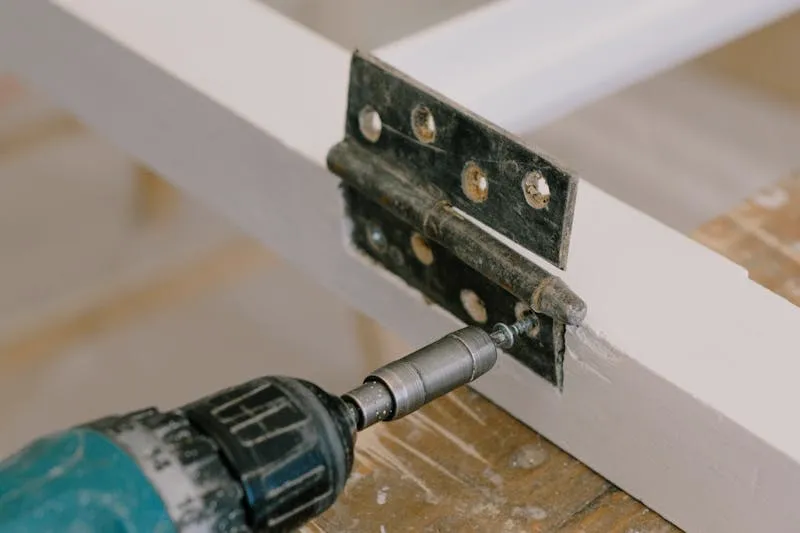
A hammer and a nail punch. A nail punch (also called a nail set) is a short steel rod with a cupped tip that fits under the pin head at the bottom of the hinge barrel, according to wikiHow's guide co-authored by home improvement specialist Gino Colucci. No nail punch? An 8d finishing nail works -- Family Handyman recommends this size because it fits residential hinge barrels without bending under hammer strikes.
A flathead screwdriver is useful for stubborn pins. Once the head pops up above the barrel, the screwdriver gives you leverage to pry it the rest of the way out (Family Handyman). And before you start, wedge a book or folded cardboard under the door -- wikiHow notes this prevents the door from shifting once pins are removed.
Do you need to support the door before removing hinge pins?
Yes, always. Close the door fully and engage the latch so the door holds itself in the frame, as recommended by Family Handyman. Then slide a book, a wooden shim, or folded cardboard under the bottom edge on the latch side. This takes weight off the hinges and stops the door from dropping once you start pulling pins.
This step matters more than people realize. WikiHow warns that a solid-core interior door weighs 40 to 50 pounds, and a solid wood exterior door can top 60. That kind of weight tipping from frame height can crack the casing or gouge the floor. If you're working alone on a heavy door, have someone stand by before you pull the last pin.
Which hinge pin should you remove first?
The bottom one. Most people reach for the top hinge first because it's at eye level, but that's the wrong instinct. The top hinge carries the most load -- gravity is always pulling on the free edge of the door -- so removing its pin first dumps all that weight onto the remaining hinges below. The door can twist, bind, or tear screws right out of the wood. WikiHow recommends working bottom-up: bottom hinge first, middle on a three-hinge door, then top last.
Family Handyman adds a useful tip: keep the door closed and latched while you work. The latch bolt acts as a third support point alongside the wedge under the door, giving you solid stability while you pull each pin.
How do you tap the pin out without damaging the hinge?
Look at the bottom of the lowest hinge knuckle. The tip of the pin extends slightly below it. Place your nail punch or 8d nail against that tip, angling slightly upward so the force pushes the pin out the top of the barrel (Family Handyman).
Use short, controlled taps -- not full swings. Two or three light strikes should get the pin moving. Once the head clears the top of the knuckle by about half an inch, grip it with your fingers and pull straight out. If the pin is too tight to grab, slide a flathead screwdriver under the head and pry upward, as suggested by Angi.
The detail that separates a clean removal from a frustrating one: keep the nail centered on the pin tip. HingeOutlet points out that an off-center strike jams the pin at an angle inside the barrel, and once it's jammed you need significantly more force to get it moving -- force that risks denting the hinge or gouging the jamb.
What do you do when a hinge pin is stuck?
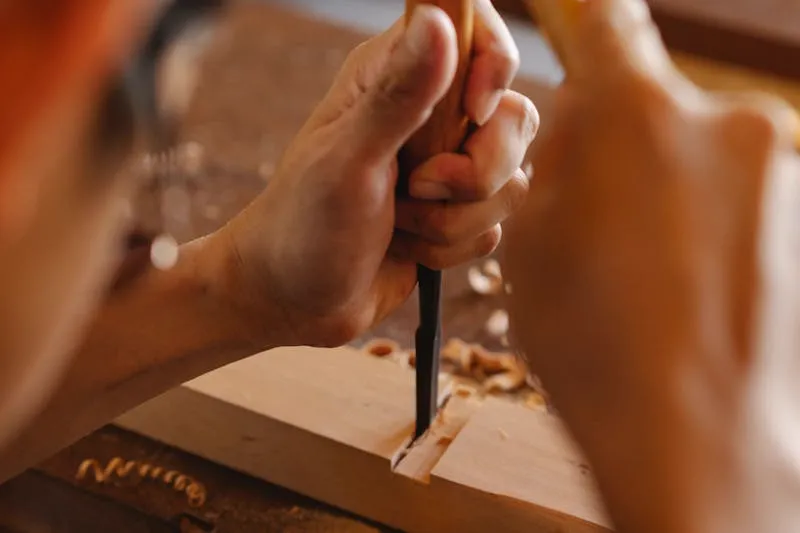
Spray penetrating oil into the top and bottom openings of the hinge barrel, then wait. WikiHow recommends WD-40; HingeOutlet suggests PB Blaster or Liquid Wrench for more severe corrosion. Let the oil soak for five to ten minutes. It seeps into the microscopic gap between pin and barrel through capillary action, dissolving the rust or dried paint that has bonded the two surfaces together.
After the oil has worked, go back to the nail-and-hammer method. Most stuck pins release on the second attempt. If yours still won't budge, switch from a finishing nail to a proper nail punch -- the wider contact surface transfers force more efficiently and won't bend under heavier blows, according to wikiHow. Use firm, deliberate strikes rather than wild swings. You want steady upward pressure, not a sharp sideways impact that jams the pin worse than it was.
HingeOutlet also sells a specialty tool called a Pin Popper, a lever designed for frozen hinge pins. It's niche, but worth the few dollars if you're renovating an old house with a dozen corroded hinges.
Recommended: Mayhew 4-piece nail punch set -- the right diameters for standard residential hinge pins, and they won't bend like finishing nails under heavy hammer strikes.
How do you remove a hinge pin that has been painted over?
Score around the pin head first. Take a sharp utility knife and cut a line where the pin head meets the top of the knuckle, then run the blade along each seam between the knuckle segments (HingeOutlet). This breaks the dried paint film so the pin and barrel can move independently.
On hinges buried under several coats, HingeOutlet recommends an additional step: slide a sharp knife blade between the hinge plate and the bottom of the barrel to separate the paint layers at the base. Once the seams are open, apply penetrating oil and tap the pin out with the usual method.
Skipping the scoring step is the single most common reason people struggle with painted hinges, according to HingeOutlet's guide on correct pin removal technique. The dried paint forms a sleeve that grips the full length of the pin inside the barrel -- trying to push through it without cutting it first is like pulling a boot from thick mud without breaking the suction.
Can you remove a non-removable pin (NRP) hinge?
Yes, despite the name. NRP hinges use a small set screw inside the knuckle that locks the pin in position. The set screw is only accessible when the door is open -- that's the security feature. Someone outside a closed door can't reach it, which prevents them from popping the pins and lifting the door off.
Open the door and find the set screw on the knuckle -- usually a hex-head screw recessed into a middle knuckle segment. Back it out with an Allen wrench. Once clear, the standard tap-from-below method works normally. Thread the screw back in a few turns before reinstalling the pin -- these screws are tiny and vanish into carpet instantly.
How do you put a door back on its hinges?
Reverse the removal order: start with the top hinge, not the bottom, according to Bob Vila. Lift the door into position with a helper and line up the knuckles so the barrel holes align. Push the pin in from the top and tap it down until it seats flush (Bob Vila).
Work downward to the middle hinge, then the bottom. If a pin goes in stiff, pull it back out and apply dry graphite powder or silicone lubricant into the barrel. This Old House recommends graphite powder directly into the barrel hole. WD-40 works in a pinch but collects dust over time -- graphite or silicone lasts longer.
If your reason for pulling the pins was a squeak, our guide on fixing squeaky door hinges covers the full lubricant comparison and which products to avoid.
What mistakes should you avoid when removing hinge pins?
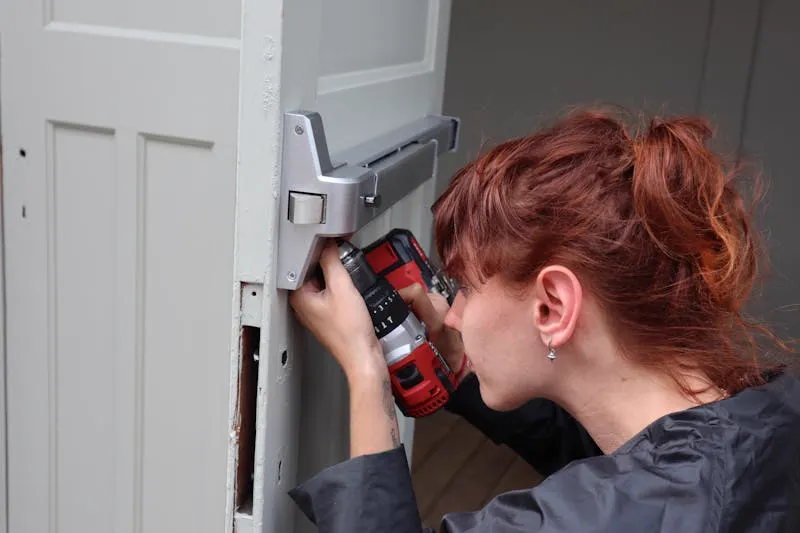
Do not pry the pin out sideways with a screwdriver or butter knife. HingeOutlet warns that this scratches the barrel, bends the pin, and often results in scraped knuckles. The bottom-up tap method works with the pin's design rather than against it.
Don't hit too hard on the first tap. A heavy first strike can drive the pin at an angle and wedge it permanently inside the barrel. Start light and build up -- you can always hit harder on the next swing, but you can't easily unjam a crooked pin.
Always support the door before you start, and always remove the bottom pin first. Family Handyman and wikiHow both emphasize this order because the top hinge carries the most weight. Removing it first risks the door twisting out of the frame and falling. The door drops the instant the last pin clears the barrel, so make sure something is underneath to catch it before you begin.
Get our door hardware maintenance checklist -- a printable guide to keeping every hinge, latch, and strike plate in your home quiet and working smoothly.
Sources
- "How to Take a Door off the Hinges." Family Handyman. Updated October 7, 2024.
- "How to Remove a Door Hinge Pin." wikiHow. Co-authored by Gino Colucci. Updated July 12, 2025.
- "How to Remove a Stuck Door Hinge Pin." HingeOutlet.
- "How to Remove Door Hinge Pins the Right Way." HingeOutlet.
- "How to Quiet a Squeaky Door." This Old House.
- "How to Fix a Squeaky Door." Bob Vila.
- "How to Remove a Door Hinge Pin In Minutes." Angi.
- "How to Silence a Squeaking Hinge." Family Handyman.